A logo reaches a piece of jewelry in four common ways: it is laser engraved on the surface, stamped into the metal with a die, cast as part of the mold, or carried on a small tag at the clasp. The right one depends on how many pieces you order, whether the design is yours or the factory's, and how sure you are that the logo will stay the same. At MAAS Jewelry logo engraving on a ready design starts at 30 pieces per style, and a private-label order starts at 50 pieces per style.
Laser engraving, stamped logo, cast logo and logo tag compared
Tooling is the main difference between the four methods: laser engraving and an engraved tag need none, a stamped logo needs a die, and a cast logo needs a mold.
| Method | How the logo is made | Tooling | Suits |
|---|---|---|---|
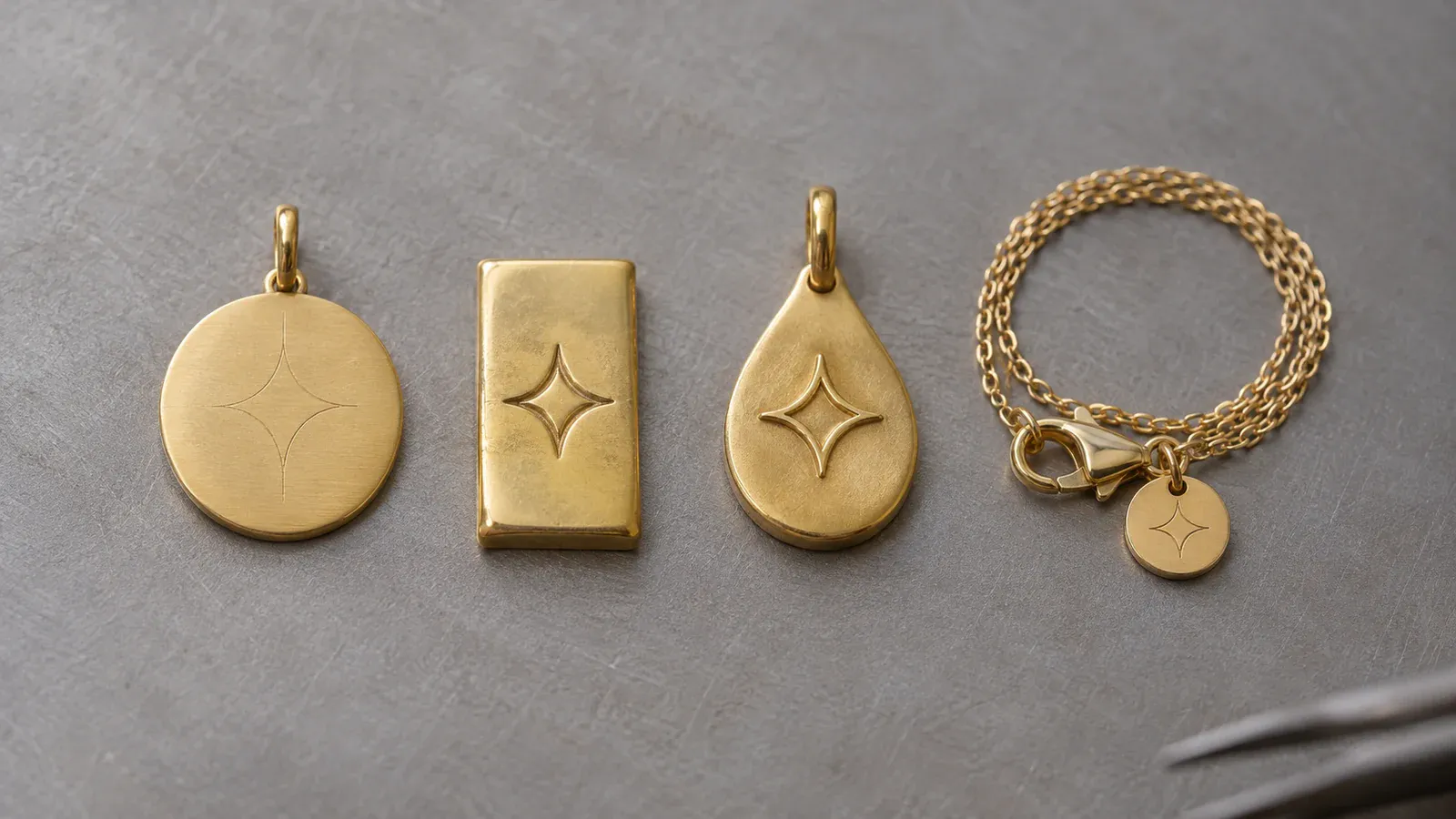
| Laser engraving | A laser marks the surface from your artwork file | None | Small runs, ready designs, logos that may change, names and dates |
| Stamped logo | A steel die presses the logo into flat metal | A die, made once | Flat parts in larger repeat runs |
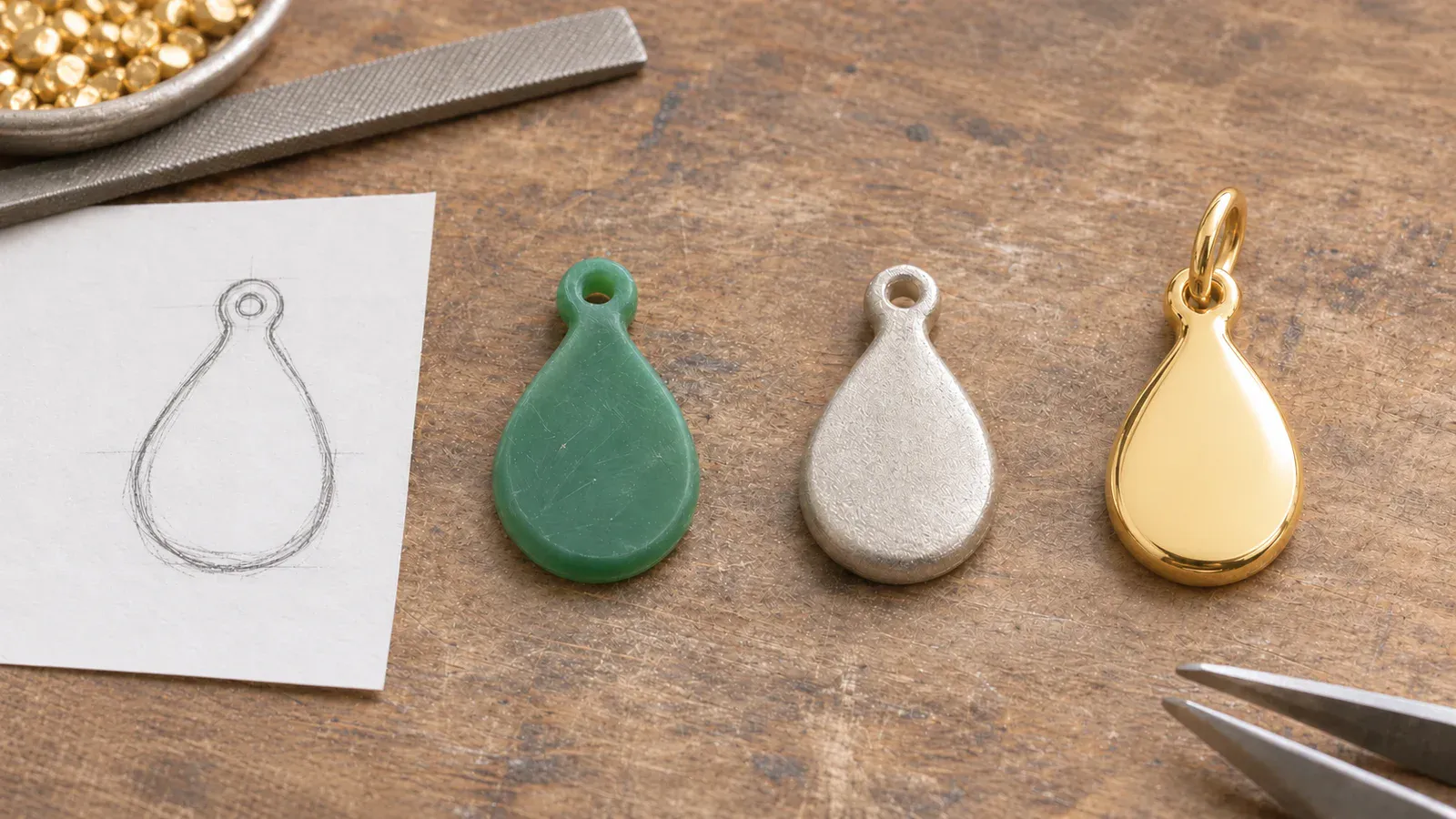
| Cast logo | The logo is carved into the mold and comes out raised or recessed on every piece | A mold for the design | Your own designs that you plan to reorder |
| Logo tag | A small tag with the logo hangs at the clasp or the extender chain | None for an engraved tag; a stamped tag needs a die | Ready designs where the piece itself stays unmarked |
Laser engraving fits small private-label orders
Laser engraving works from a file, so there is no die or mold to make, and a small run carries no tooling cost. The laser marks a flat or gently curved area such as the back of a pendant, a bar, a disc or the inside of a ring band. The mark is shallow, which keeps fine lines and small text sharp but gives less depth than a stamped or cast logo.
Plating order changes how the logo looks. Engraving after plating usually removes the color layer in the mark, so the logo shows the base metal or a darker mark and contrasts with a gold or black finish. Engraving before plating leaves a logo in the same color as the piece. Ask for the version you want on the sample, because the two read very differently on a gold-tone piece.
Laser engraving also handles a different name or date on each piece. We can engrave individual names, even in small batches. The laser engraving page lists the logo positions and the artwork files for each product type.
Stamped logos need a die, and logo tags leave the piece unmarked
A stamped logo is pressed into flat metal by a hardened steel die, so every piece carries the same mark at the same depth. The die is made once for one logo at one size. A change of logo or size means a new die, which is why stamping suits flat parts that you reorder with a settled logo. The stamping page shows which parts are stamped.
A logo tag moves the brand off the piece. The tag is a small plate, engraved or stamped with the logo, that hangs beside the clasp or at the end of the extender chain. It lets you brand a ready design without changing its mold or its surface, and the same tag can go on every style in a collection. We engrave your logo or add a custom logo tag.
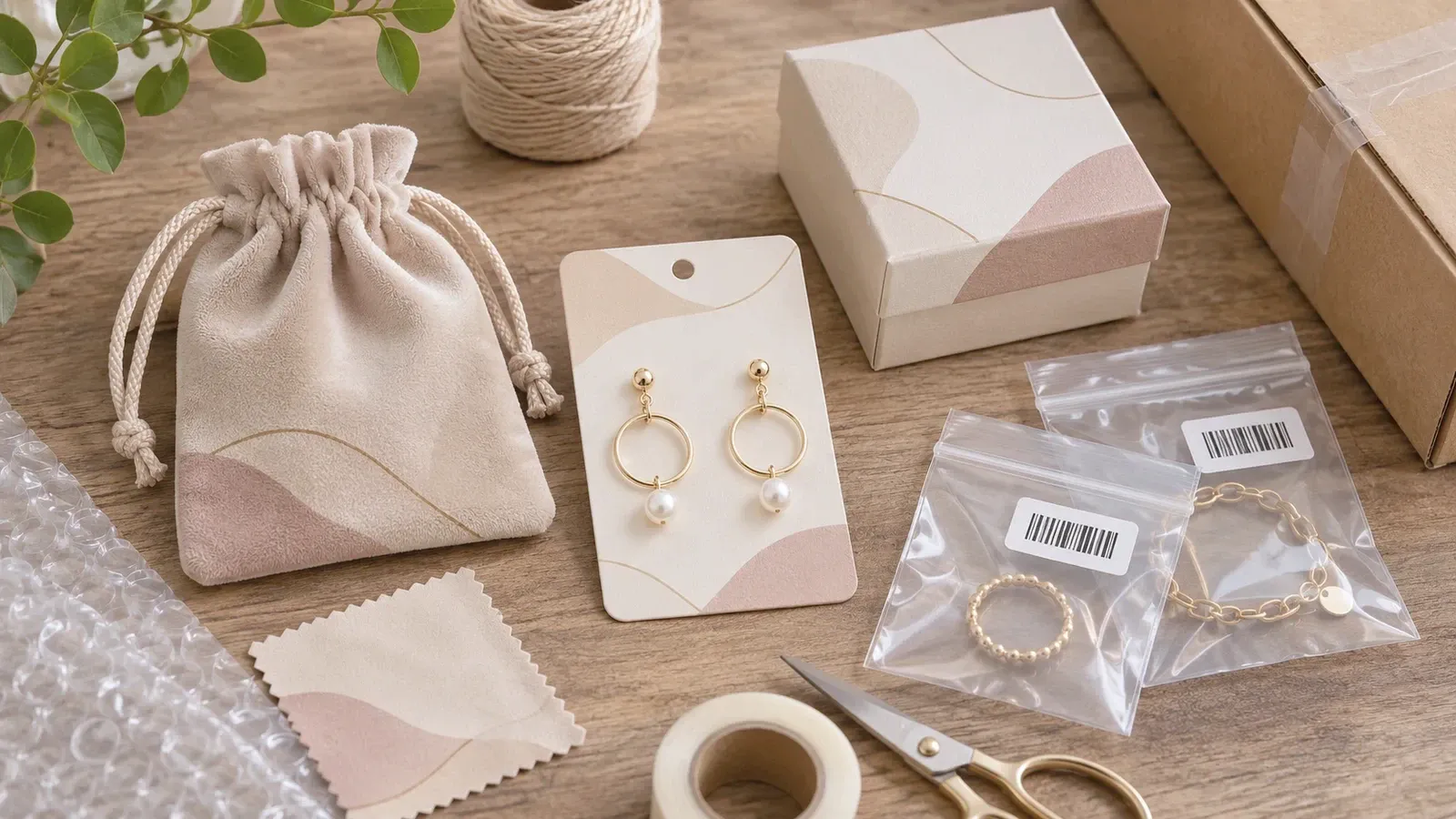
Printed hangtags and backing cards are a third place for the logo, off the metal altogether. We can add custom hangtags with your logo. The packaging page covers cards, pouches and boxes.
A cast logo is part of the mold
A cast logo is carved into the mold, so it appears on every piece as part of the shape, raised or recessed, with real depth. It suits a design that is your own: a signature charm, a pendant with the logo as its outline, or a clasp shaped for your brand. A ready design cannot take a cast logo without a new mold, and a later change to the logo means changing the mold.
Mold cost and mold time come first on this route. Wax molds cost approximately US$12–45 and steel molds approximately US$80–150. The fee covers 3D drawing, mold carving, mold materials, mold trials and sampling labor. Mold time depends on the design. Simple flat designs: 3–5 working days (stamped steel molds or simple wax molds); Regular designs: 5–7 working days (lost-wax or CNC wax molds); Complex designs: 7–12 working days (composite molds). Mold work covers drawing confirmation, mold carving, first sample and sample confirmation.
The molds belong to us and are used only for your orders. We store them free for 1–2 years, and if you place no orders for a long time, we contact you first. For a fee, you can buy out your steel molds and we ship them to you. Wax molds are used up in production, so they cannot be bought out.
The casting page explains how a mold becomes a batch, and the custom charms guide walks a charm from your logo or drawing to an approved sample.
Which logo method fits which order
Order size and design ownership decide the method more than taste does.
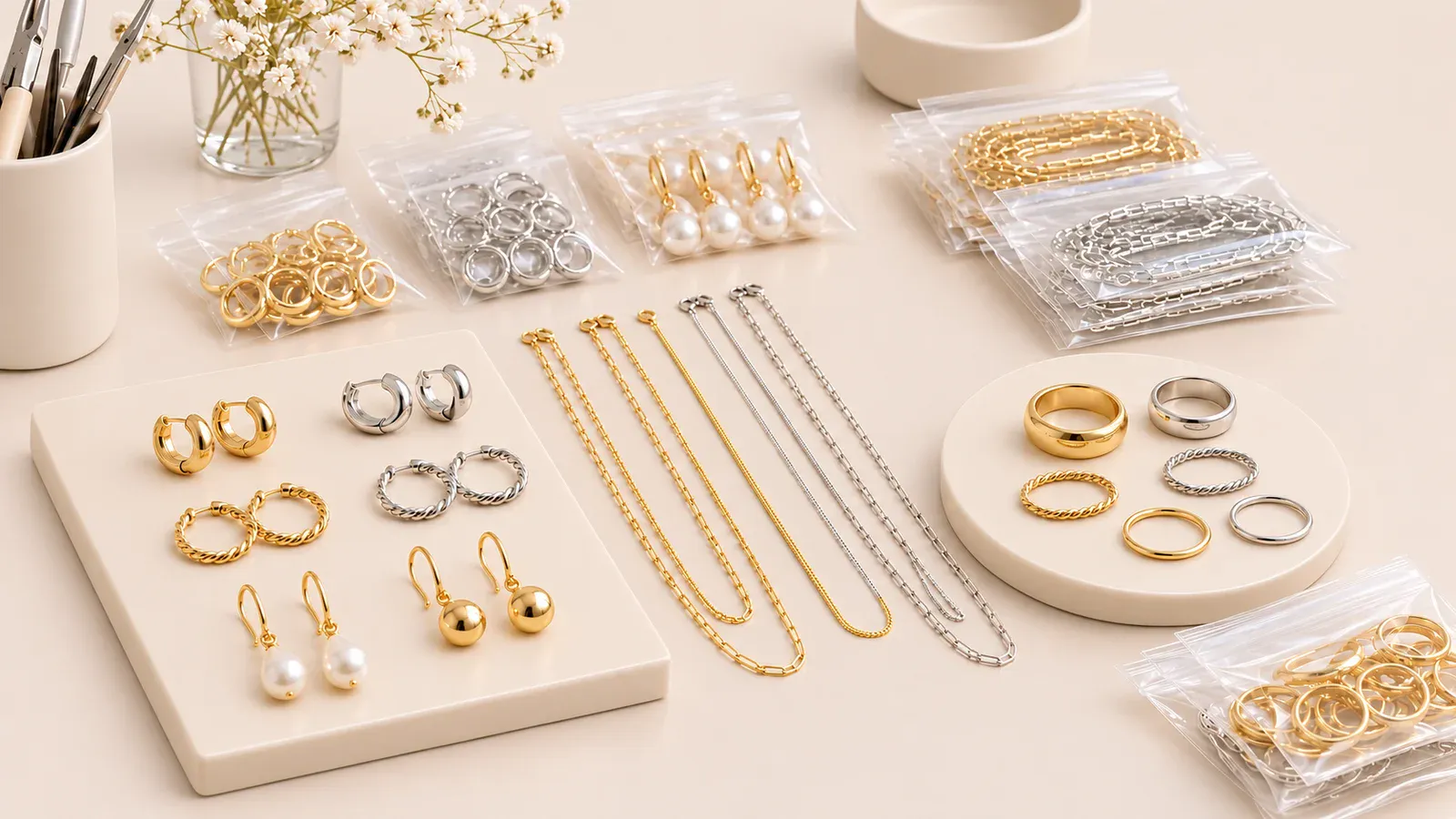
A first private-label order on ready designs: laser engraving on the piece, or a laser-engraved logo tag at the clasp. Neither needs a die or a mold, and the logo can still change on the next order.
A logo that is not final yet: laser engraving, because nothing needs a die or a mold.
One name or date per piece: laser engraving.
A flat part reordered in larger runs with a settled logo: a stamped logo, once the die cost is spread over the reorders.
Your own design with the logo in its shape: a cast logo, quoted with the mold.
A piece too small or too curved for a readable mark: a logo tag or the packaging.
What to settle before you approve a logo sample
A logo sample is approved on five points, and each one is cheaper to change on the sample than in bulk.
Position: the exact face, and the distance from the edge or the clasp.
Size: the height of the smallest letter, checked for legibility on the real piece and not on the screen.
Order of work: engraved before or after plating, which sets the color of the mark.
Artwork: a vector file of the final logo, with a single-color version for engraving.
Tooling: for a stamped or cast logo, how long the die or mold is stored and whether a reorder can reuse it.
Jewelry logo FAQ
Which logo method needs no tooling?
Laser engraving needs no die and no mold, because the laser works from your artwork file. An engraved logo tag is made the same way. A stamped logo needs a die, and a cast logo needs a mold.
Can a ready design take a cast logo?
A ready design keeps its existing mold, so a cast logo means a new mold for that design. Laser engraving or a logo tag puts your brand on a ready design without a new mold.
Should the logo be engraved before or after plating?
Both orders are used, and they look different. Engraving before plating gives a logo in the same color as the piece, and engraving after plating usually gives a contrasting mark. Approve the version you want on the sample.
Logo terms at MAAS Jewelry
On a ready design, sample timing is 5–10 working days for a new color or logo. Bulk production starts only after you approve the sample. The method and its price for your styles are confirmed in the quote.
The private label page shows the route from a ready design to your logo and packaging, and the MOQ guide lists the minimum for each way to order.